
Delta Dental is one of the most common payers in U.S. dentistry, and that scale comes with tight, consistent claim edits. When claims go through quickly, cash flow feels predictable. When they do not, the delay is rarely mysterious. It is usually missing documentation, coding mismatches, coordination of benefits gaps, or a filing deadline that slipped past the team.
The good news is that Delta’s rules reward repeatable habits. If your front office can standardize what gets attached, how services are coded, and when claims are released, you can cut rework and speed up reimbursement without adding chaos to the schedule.
What usually slows down Delta Dental claims
Delta’s processing is built to auto-adjudicate as many claims as possible. Anything that looks incomplete gets pushed into pend status, kicked back as a rejection, or denied pending documentation.
That “missing one thing” problem happens most often on major services where documentation is expected up front, and on secondary claims where the primary payer details are incomplete.
After you see a pattern, it helps to separate issues into two buckets: items that prevent the claim from being accepted at all, and items that allow acceptance but trigger a clinical review.
Clean-claim fundamentals you can standardize
Before you get to attachments and narratives, make sure each claim can pass basic eligibility and data checks. Many rejections come from simple demographics, subscriber data, or plan details.
A short internal checklist works well when it is used the same way every day.
- Correct subscriber ID
- Patient name and date of birth match the plan
- Provider NPI and tax ID are consistent across systems
- Tooth number and surfaces entered when required
- Date of service matches the clinical note and ledger
- Missing fields are not left blank “to fix later”
If you use a clearinghouse, treat payer edits as a must-fix queue, not a suggestion. If you submit directly through a Delta portal, build time into the day to resolve the same-day rejections while the appointment details are still fresh.
Attachments: when Delta expects them and what “good” looks like
Delta commonly requires diagnostic-quality documentation for many procedures, especially crowns and core buildups. When a code is on Delta’s documentation requirements list, missing attachments can lead to an automatic denial.
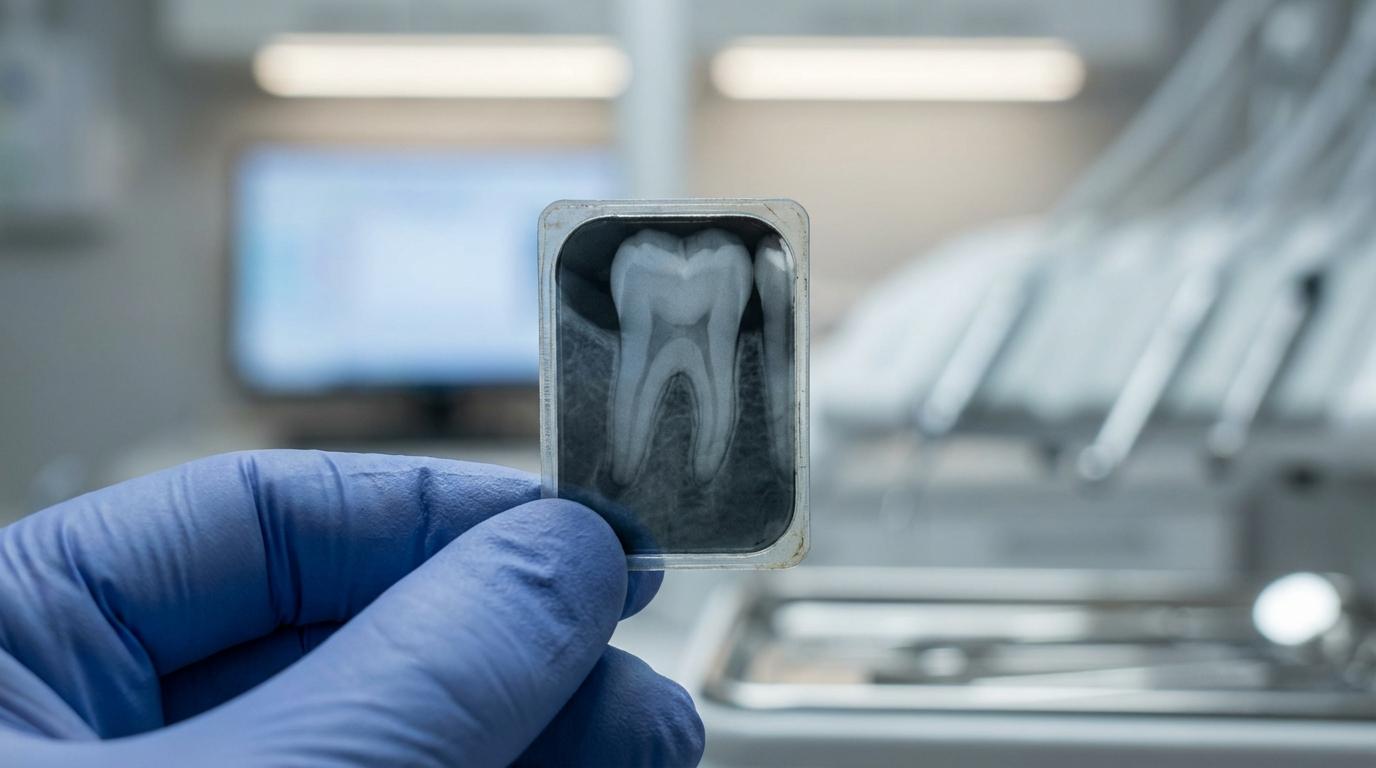
For crowns in the D2710 to D2794 range, Delta commonly expects a pre-operative periapical image that shows the entire tooth including the apex, and it needs to be recent relative to treatment. Panoramic images alone typically do not meet that requirement when a periapical is requested. For core buildups (D2950 to D2957), similar rules often apply, along with a narrative that explains why a buildup is needed.
Photos are also valuable when the reason is not obvious on radiographs, like a fractured cusp or a large missing portion of an anterior tooth. Even when not strictly required, good images can keep a claim from being pended for review.
When your team writes narratives, keep them short and clinical, and tie them to what a reviewer can see in the attachments.
- Chief clinical reason: fracture, recurrent decay, failing restoration, loss of tooth structure
- Radiographic support: what the PA shows, and that the apex is visible
- Restorability factors: remaining walls, cusp coverage needs, ferrule concerns
- Related treatment status: endodontic therapy completed and dated when relevant
- Why alternatives are not appropriate: large restoration would not provide retention or seal
Electronic attachment limits matter
Delta affiliates and portals vary, but many accept common formats like PDF and standard image files, with file size limits per attachment and a cap on the number of files per claim. If your images come out of your imaging software as very large files, compress them without destroying diagnostic clarity. Fuzzy images are not “better than nothing” if they fail review.
If you ever submit paper attachments, send copies. Many payers do not return what you mail unless you include specific return materials, and original films should be protected.
Codes and code sets: stay current and stay specific
Delta expects ADA CDT procedure codes. Using outdated CDT codes can trigger rejections or incorrect benefit application, especially around the January 1 effective date when annual CDT revisions take effect. Make sure your practice management system, clearinghouse, and fee schedule updates are coordinated so that the code your clinical team selects is the code your claim transmits.
Diagnosis codes are a separate topic. When a diagnosis field is required for a workflow that touches medical necessity, HIPAA standards apply and ICD-10-CM is the accepted diagnosis set. Most routine dental claims do not need ICD-10-CM, but when they do, using anything else can cause avoidable friction.
Be cautious with “by report” and unspecified codes. Delta will often expect documentation and a clear narrative when you use codes like D4999 or other report-based submissions.
Timely filing: the rule that can change patient billing
Delta’s timely filing window is commonly 12 months from the date of service, but certain plans and programs have shorter deadlines. That matters because late filing can shift financial responsibility away from the payer portion.
When a claim is denied for timely filing, many Delta plans restrict what you can collect from the patient. Often you may collect only the patient cost share that would have applied if the claim had been filed on time. The payer portion is not something you can simply bill to the patient after the deadline passes.
That makes timely filing more than an administrative metric. It is a compliance and patient balance issue.
Primary vs. secondary: what changes when Delta is not first
Delta’s clinical and coding expectations do not change just because it is secondary, but the coordination details do. If Delta is secondary and you submit without the primary payer’s EOB information, the claim may pend or deny because the system cannot coordinate benefits.
Include the other carrier details and the primary payer’s payment and patient responsibility amounts. If you attach the EOB up front, you reduce back-and-forth and keep the secondary payment cycle moving.
There is one common exception worth training on: when a patient has dual coverage through the same Delta affiliate, Delta may be able to process both primary and secondary internally with a single submission. That is plan-dependent, so confirm how the local affiliate handles dual Delta coverage.
Electronic submission vs. paper: choose speed, then manage quality
Electronic claims are typically the fastest path to payment, and they also produce quicker feedback when something is wrong. That feedback loop is valuable because you can correct the claim while the clinical team still remembers the details and while timely filing is not at risk.
Paper claims still exist, but they introduce avoidable variables: mailing delays, misrouted claims to the wrong affiliate, and attachment handling issues. If you do submit paper, confirm the correct address for the patient’s Delta plan and keep complete copies of everything you send.
Quick reference table: common services and typical support
The exact requirements vary by Delta affiliate and plan, but the table below captures a practical “send it with the claim” approach that reduces pend requests for many offices.
| Procedure area | Common CDT range/examples | What to attach up front | Notes that help |
|---|---|---|---|
| Crowns | D2710 to D2794 | Pre-op periapical showing entire tooth and apex; photos when fracture is not clear | Date the image and reference tooth number in remarks |
| Core buildup | D2950 to D2957 | Pre-op periapical; short narrative | Explain loss of tooth structure and why retention is needed |
| Endodontics tied to crown | Varies | Pre-op and post-op images as applicable | Clarify completion date if crown is later |
| Periodontal therapy | SRP codes vary | Perio charting and relevant notes when required | Keep charting legible and current |
| Secondary claims | Any | Primary EOB and payment details | Enter other carrier fields completely |
Denial patterns worth tracking (and fixing fast)
When a denial happens, categorize it so the fix becomes a process improvement, not a one-off scramble.
- Missing required documentation: add the attachment set and resubmit with clear remarks
- Radiograph quality issues: retake image when needed and confirm apex visibility
- Eligibility or ID errors: correct subscriber data and verify coverage on the date of service
- Coordination of benefits gaps: attach the primary EOB and enter paid amounts
- Code mismatch or outdated code: update the CDT set in software and retrain on selection rules
A weekly denial huddle, even 15 minutes, can reduce repeat errors. Pick one denial category, decide the prevention step, and document it in your team’s claim checklist.
When the claim denies anyway: resubmissions, corrections, and appeals
Not every denial is final. Many are correctable documentation or data issues. The key is speed and clarity.
If the denial is for missing documentation, resubmit with the required images and a narrative that maps directly to the reason for treatment. If the denial is for clinical criteria, decide whether you have additional documentation that supports necessity, or whether the plan’s limitation is firm and the patient should be informed.
If you are past timely filing due to a verifiable situation outside the practice’s control, an appeal may be possible, but it generally requires documentation and a clear explanation. Build a habit of saving EOBs, narratives, image timestamps, and any payer communications into a centralized folder tied to the claim.
Chela describes how maintaining a lightweight knowledge base, often seeded with quick voice notes, keeps recurring scenarios and phrasing findable when you need to draft clear appeals or update checklists.
Where specialized billing support fits
Many practices can handle Delta submissions in-house, yet the friction often shows up in the same places: attachments, secondary claims, and aging follow-up. That is where a specialized dental revenue cycle partner can help by standardizing claim workflows, running consistent attachment and coding checks, and keeping accounts receivable follow-up moving.
EZDDS Billing, for example, focuses on end-to-end dental billing operations and AR follow-up, with month-to-month options and transparent pricing models. Whether you outsource fully or only for overflow, the operational goal stays the same: improve clean-claim rates, reduce preventable denials, and shorten the time from procedure to payment.
If you want to improve Delta Dental claim turnaround, start with two measurable changes: submit major services with complete documentation on day one, and implement a daily review queue for rejections and pending items. The rest becomes much easier to manage once those two habits are consistent.